Introducing

Prior Authorization.
Simplified. Approved faster.
AI that eliminates delays, errors, and manual rework — giving providers time back for patient care.

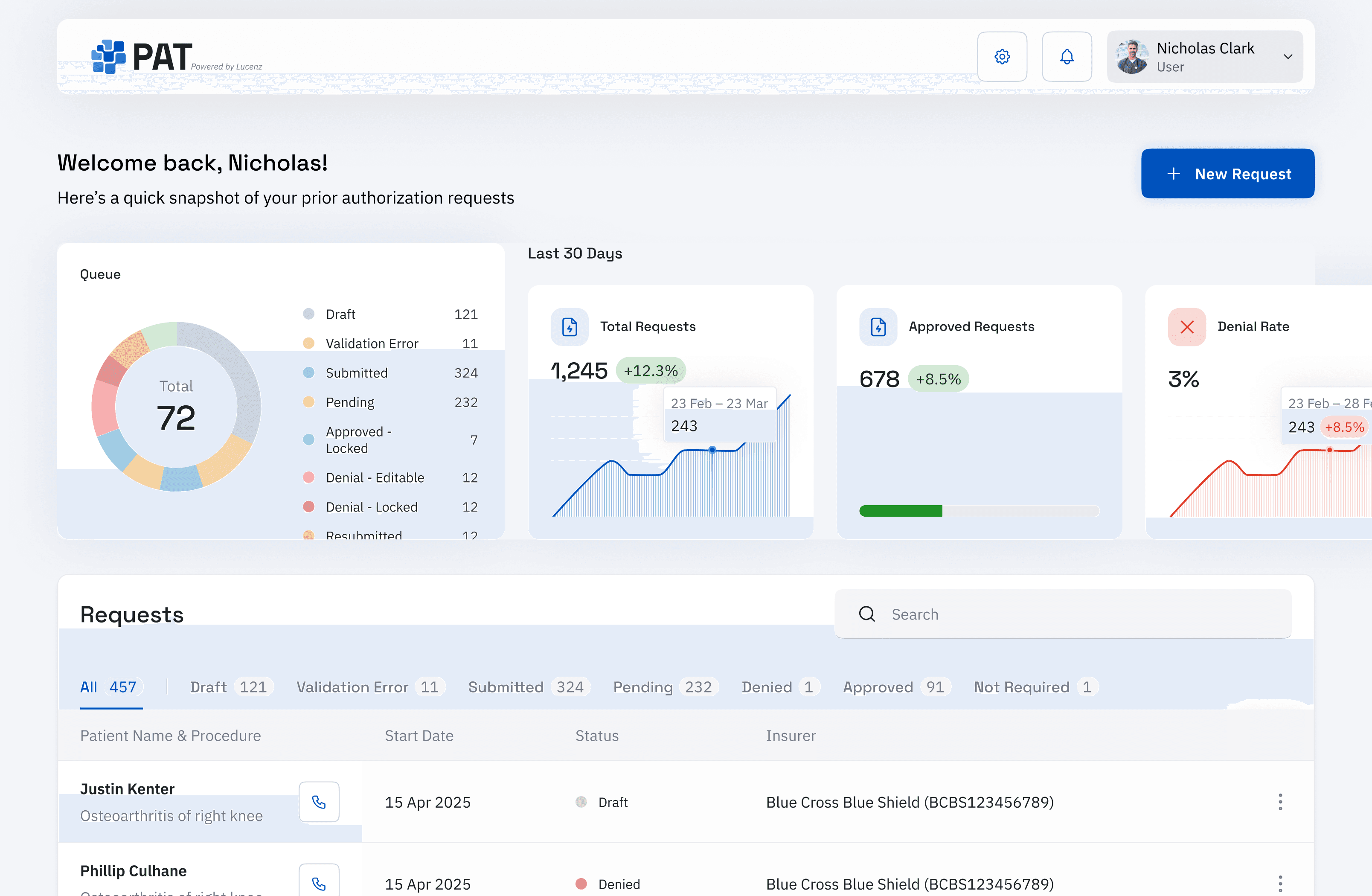
Prior auth isn’t hard. It’s fragmented.
Most delays come from rework—missing information, payer-specific rules, and status follow-ups spread across tools and inboxes.
Requests start everywhere, and 20% is lost when intake lives across notes, orders, and portals.
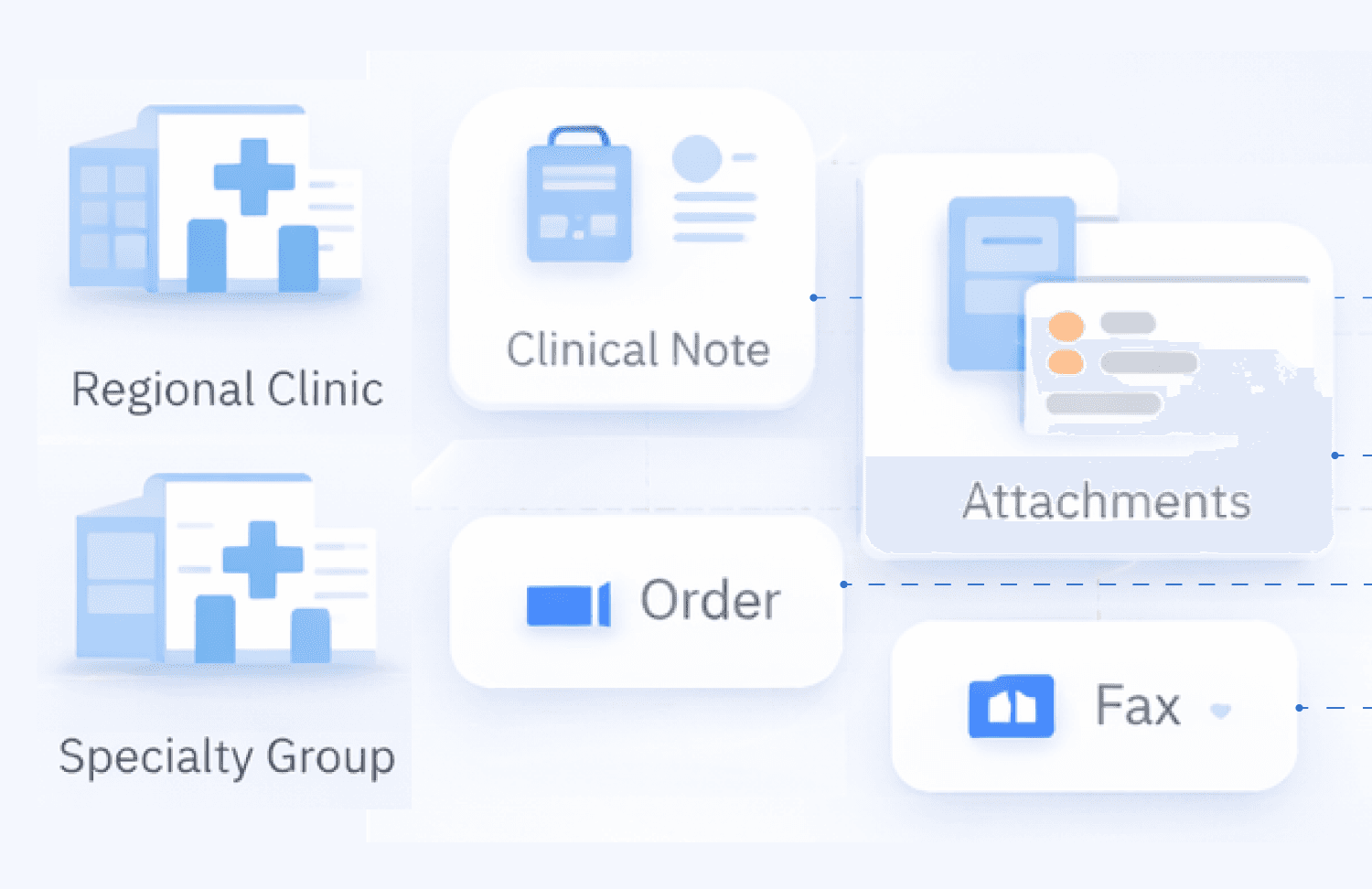
There’s no unified workflow layer, so weeks get wasted on rework and resubmissions.
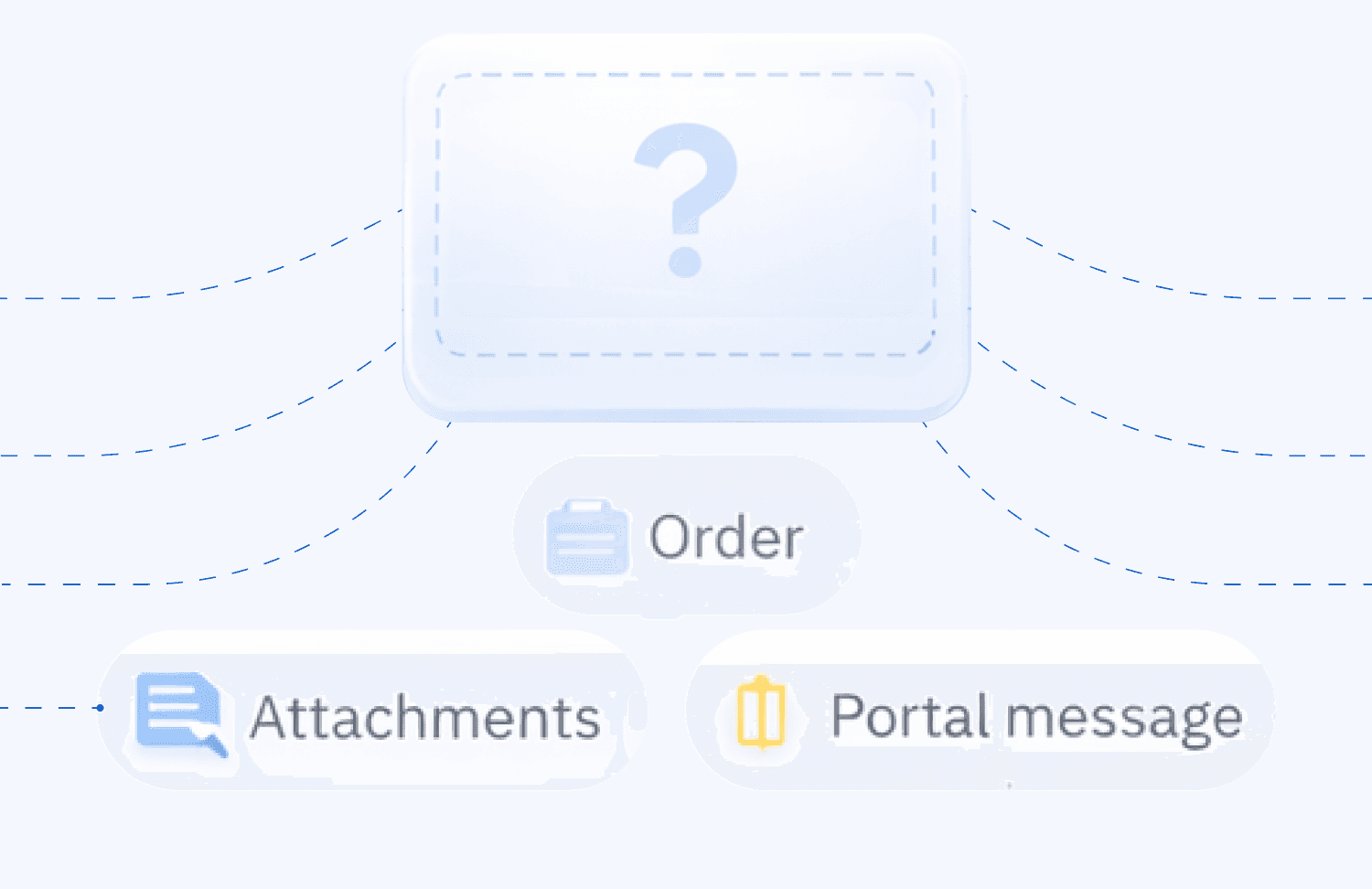
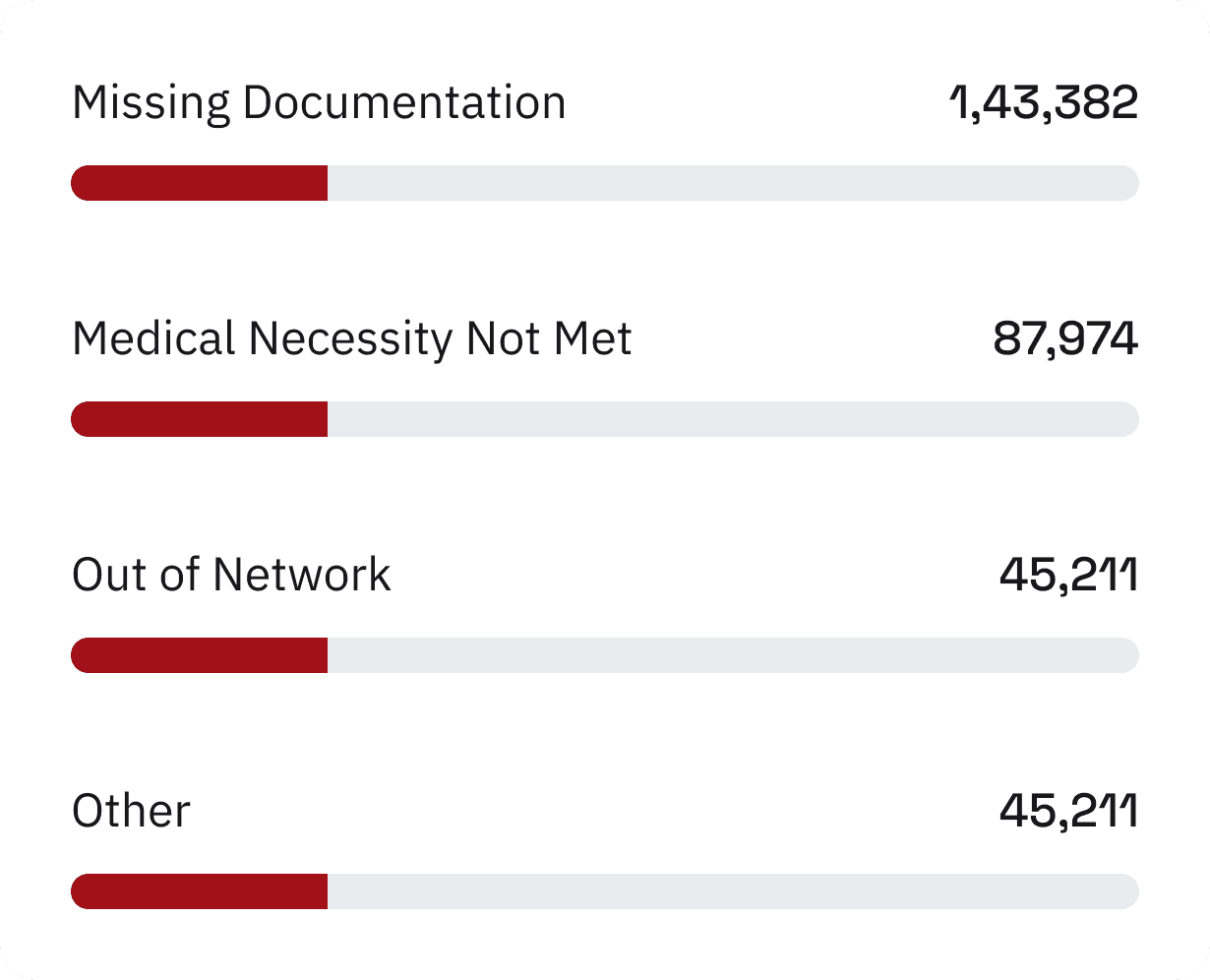
Rules vary by payer, so denial rates remain high as requirements shift by plan and region.
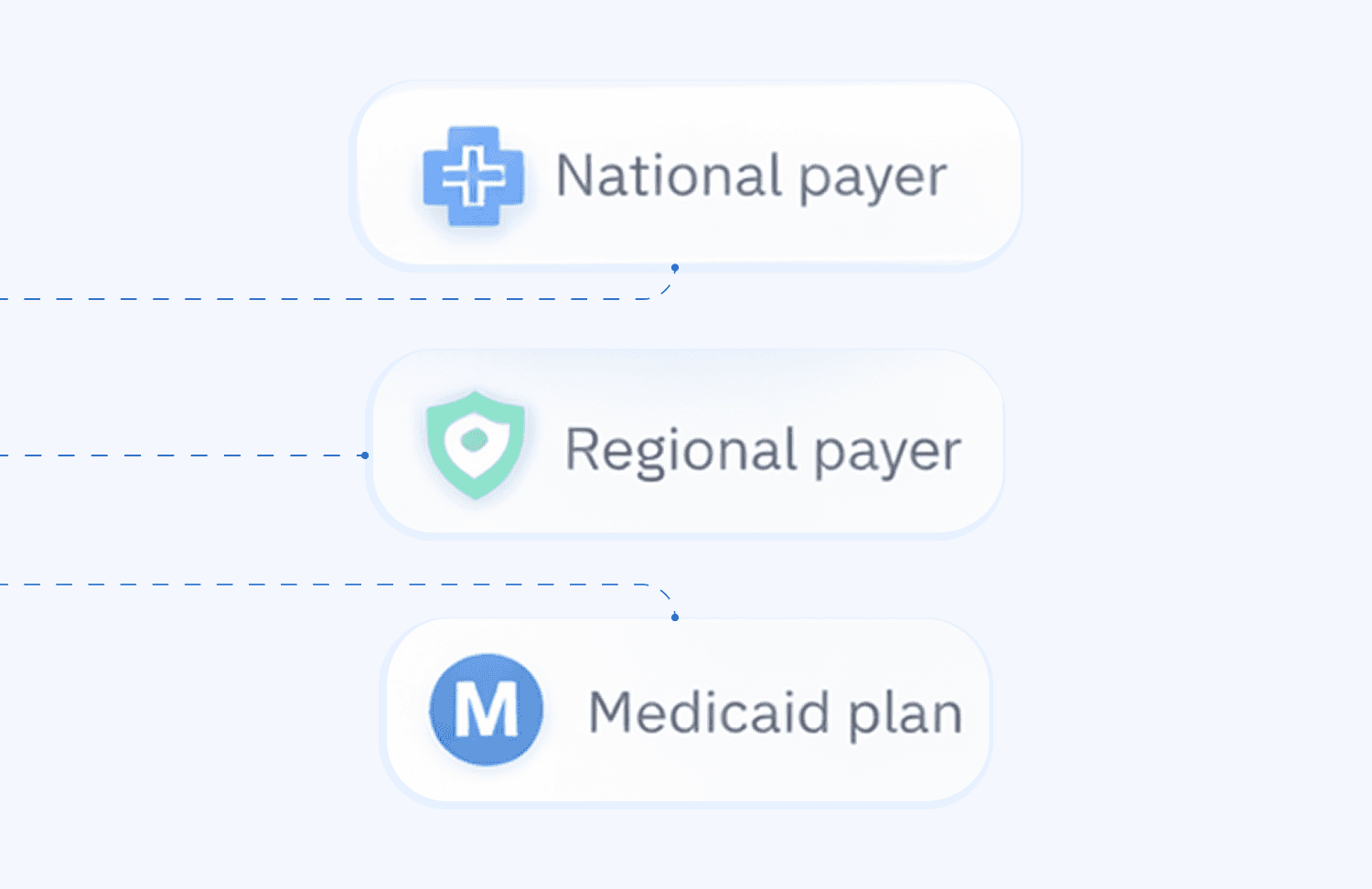
Payer rules are the denial engine.
Prior auth rules are complex, inconsistent, and constantly changing. Without a real-time way to validate requirements, teams submit “almost-right” packets—then spend days correcting and resubmitting.

900+ payers mean hundreds of rule sets.
For the same procedure, criteria changes by plan and region, so teams often submit “almost-right” packets that trigger avoidable denials.
PA requirements are up 47% in 5 years.
Coverage policies and documentation expectations change constantly, so teams spend time chasing updates instead of submitting confidently.

features
Automate the checks.
Control the exceptions.
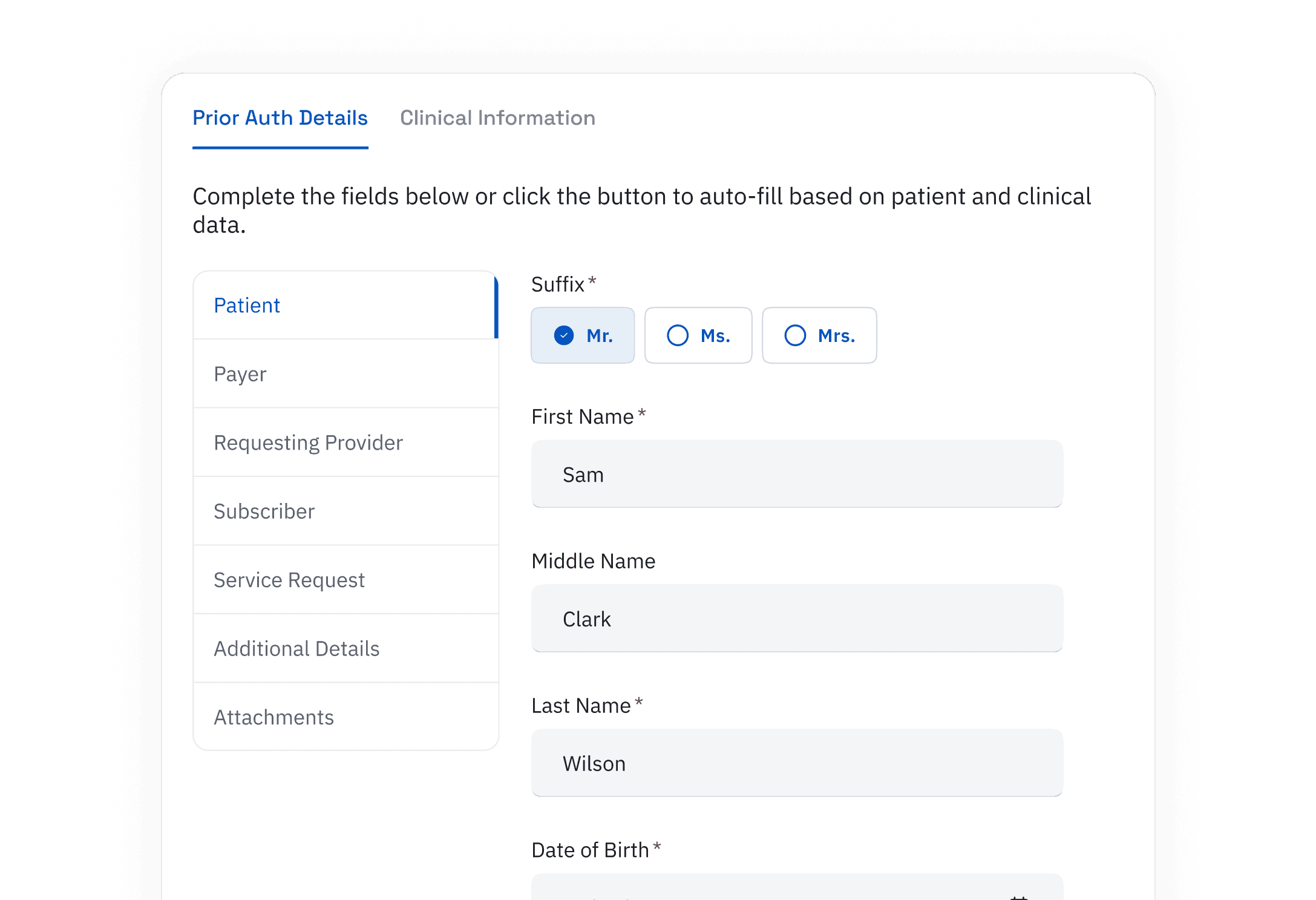
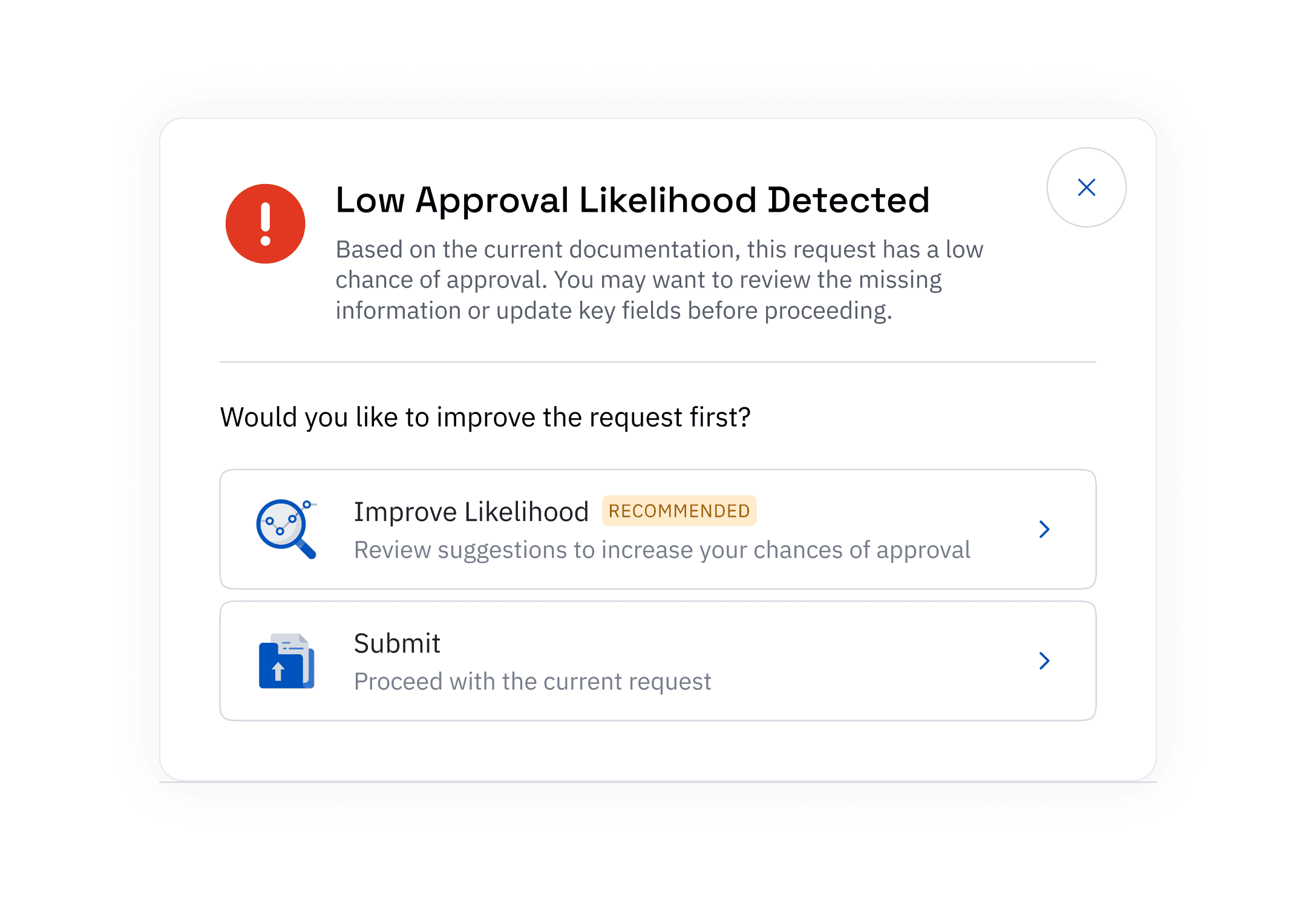
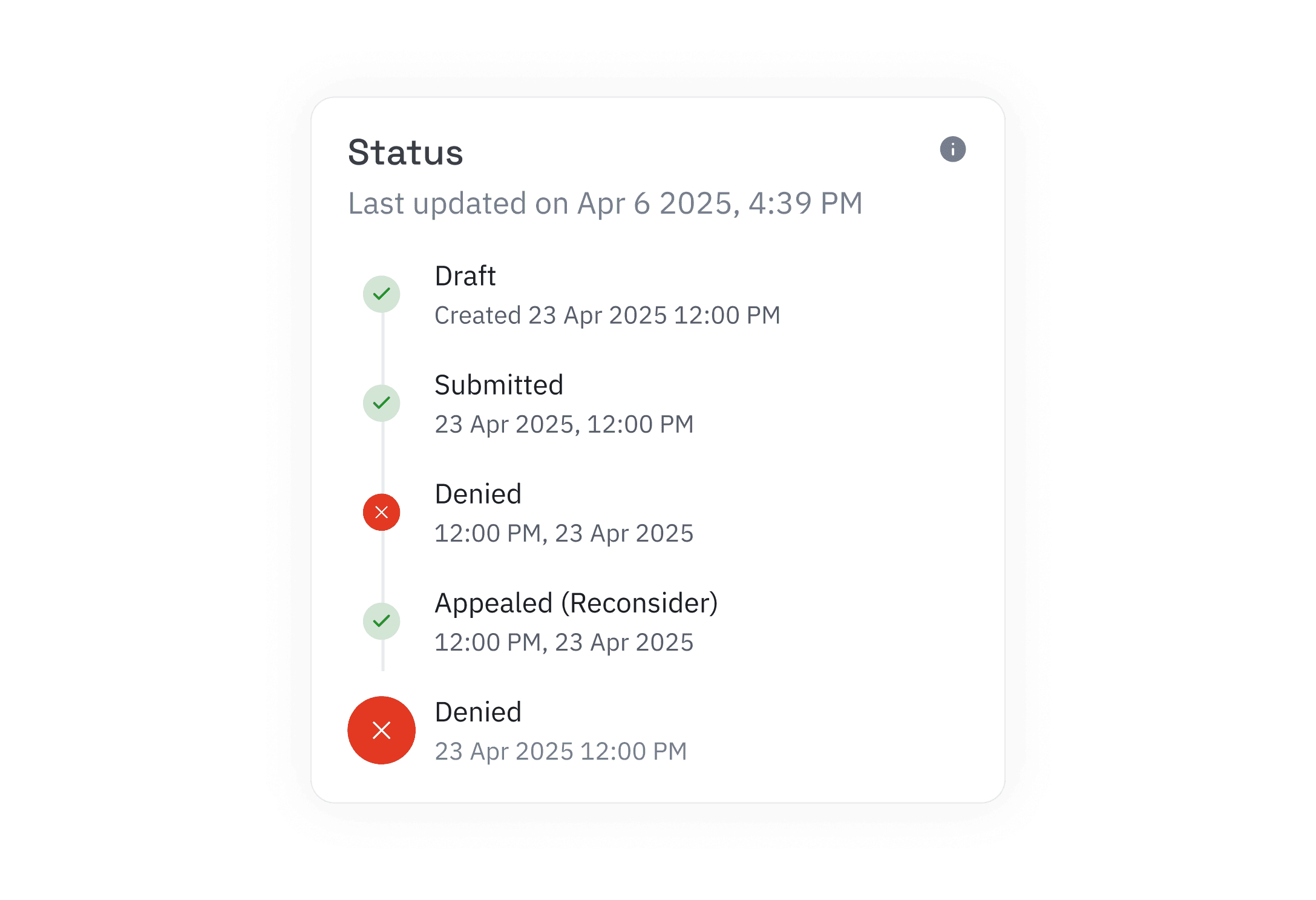
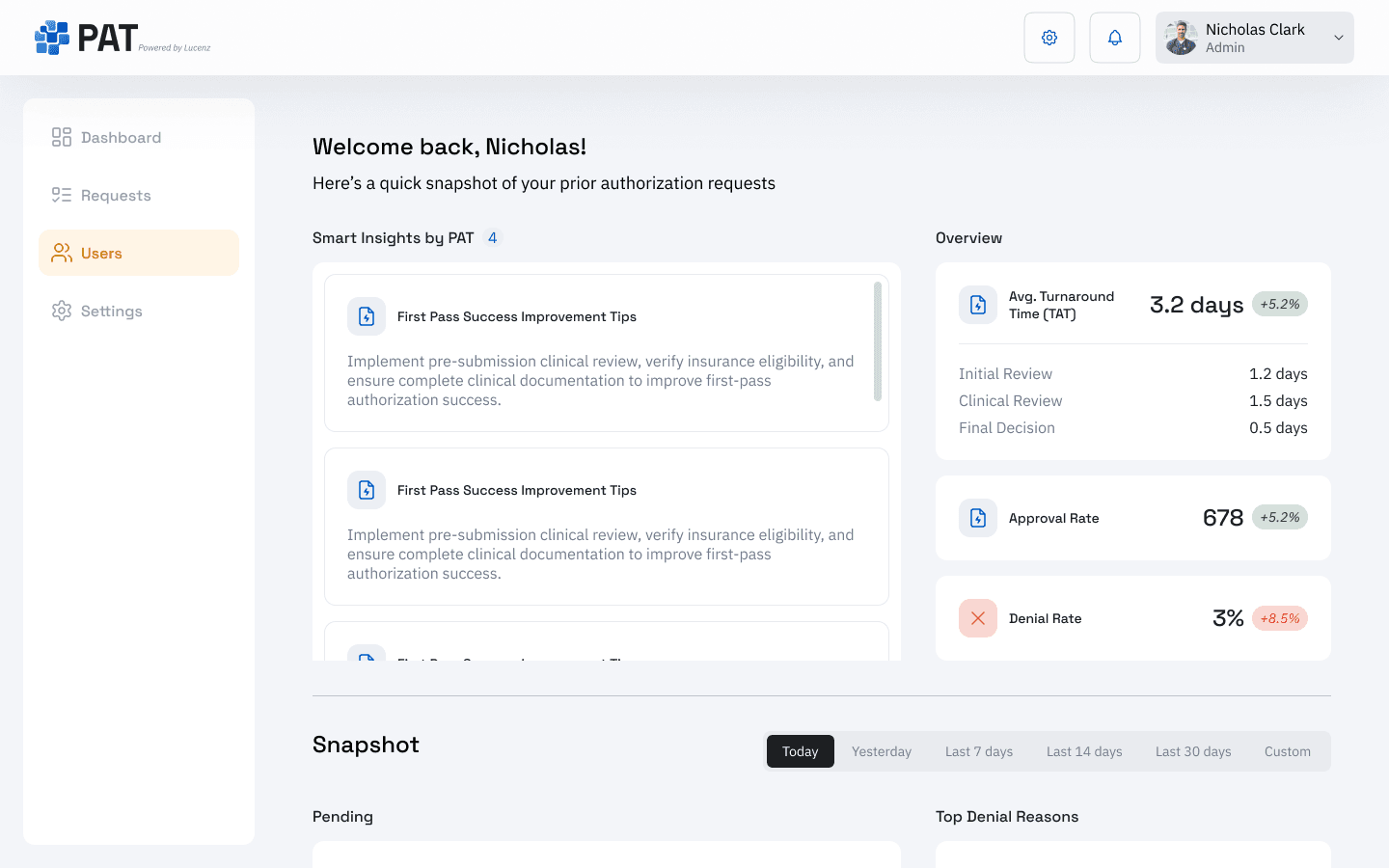
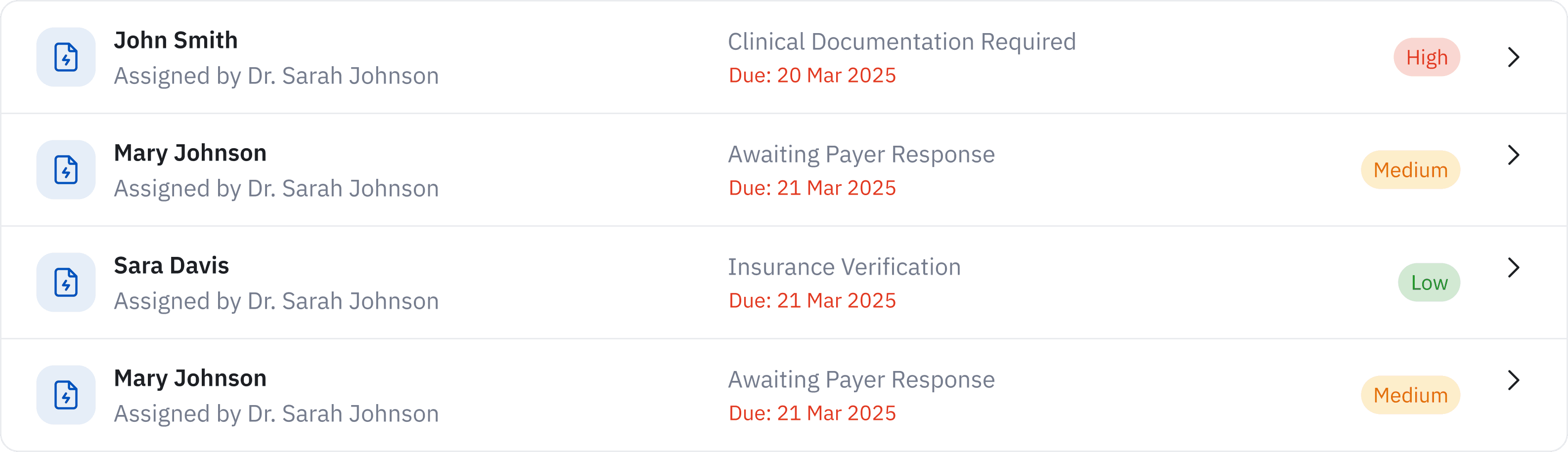
AI-powered automation that understands payer rules, validates submissions before they go out, and handles the entire PA lifecycle.

What PAT delivers for your practice
Once payer rules are checked upfront and packets are submission-ready, the outcomes compound: fewer touches per request, fewer denials, and faster decisions—without adding headcount.
Today
With PAT
We built PAT because we saw brilliant clinical teams buried in fax machines and payer portals.
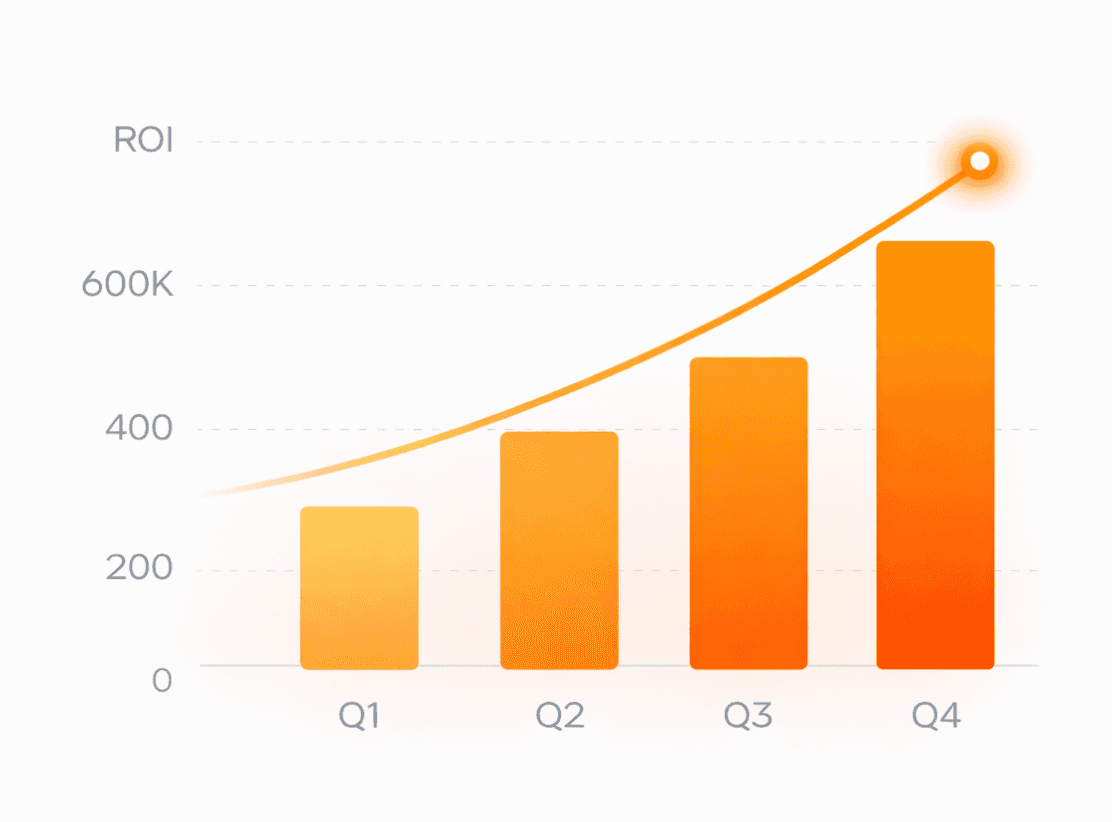
Why PAT?
Submit right the first time.
PAT checks payer requirements as you work, assembles a complete packet, and keeps every request in one queue—so issues surface early, not after submission.

From note → submission → decision.
Ready to modernize prior auth?
PAT reduces rework and follow-ups by validating requirements before you submit.